 English
Other speed reducers
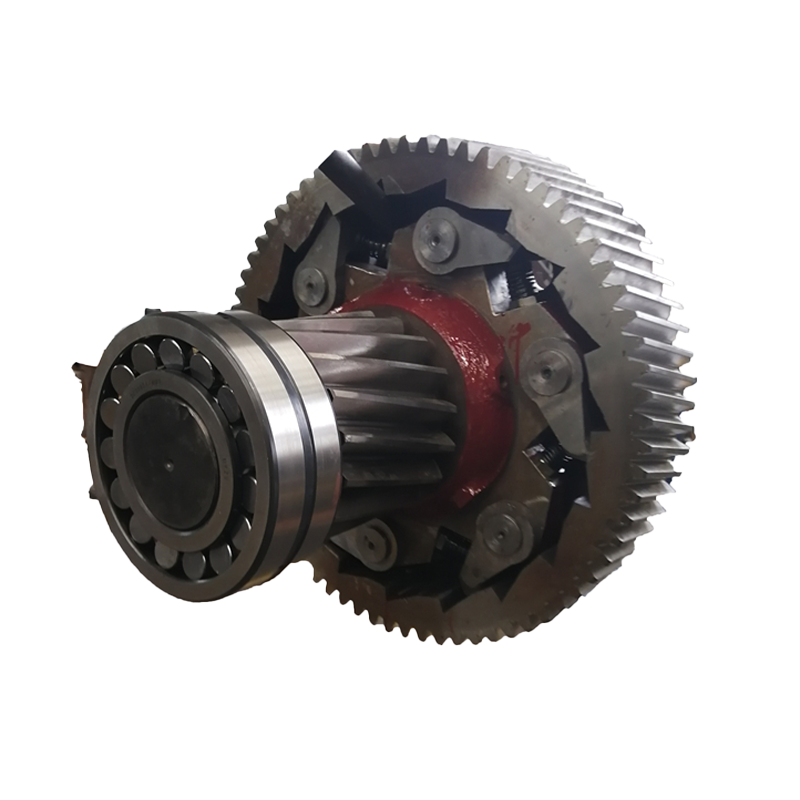
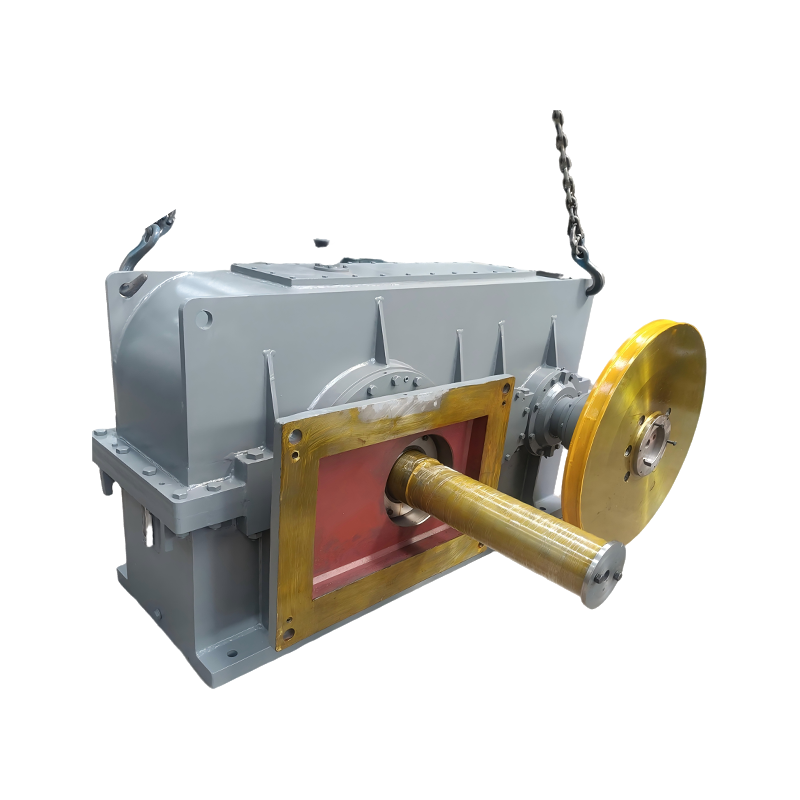
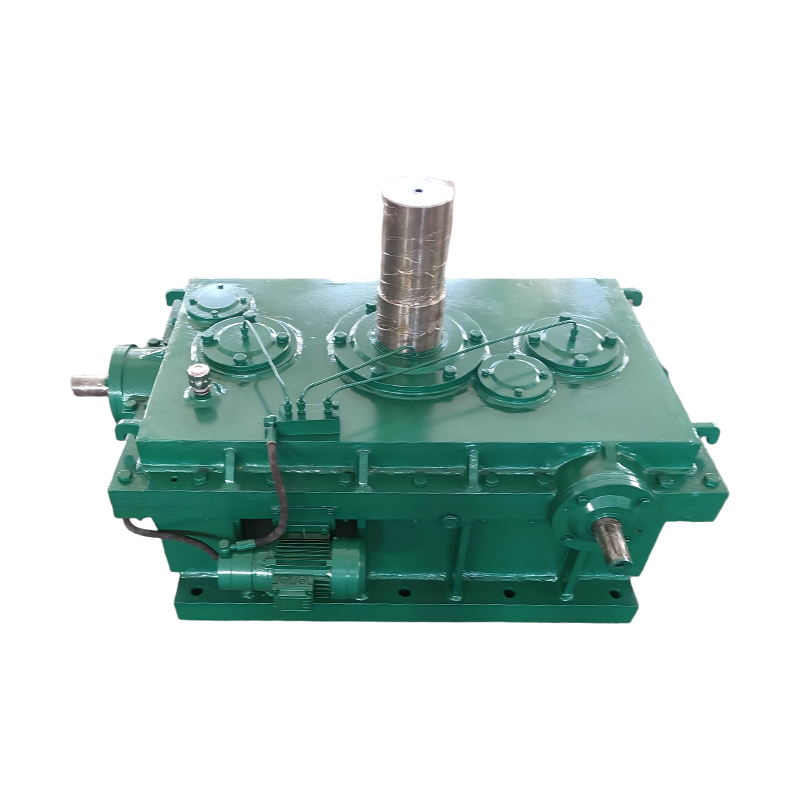
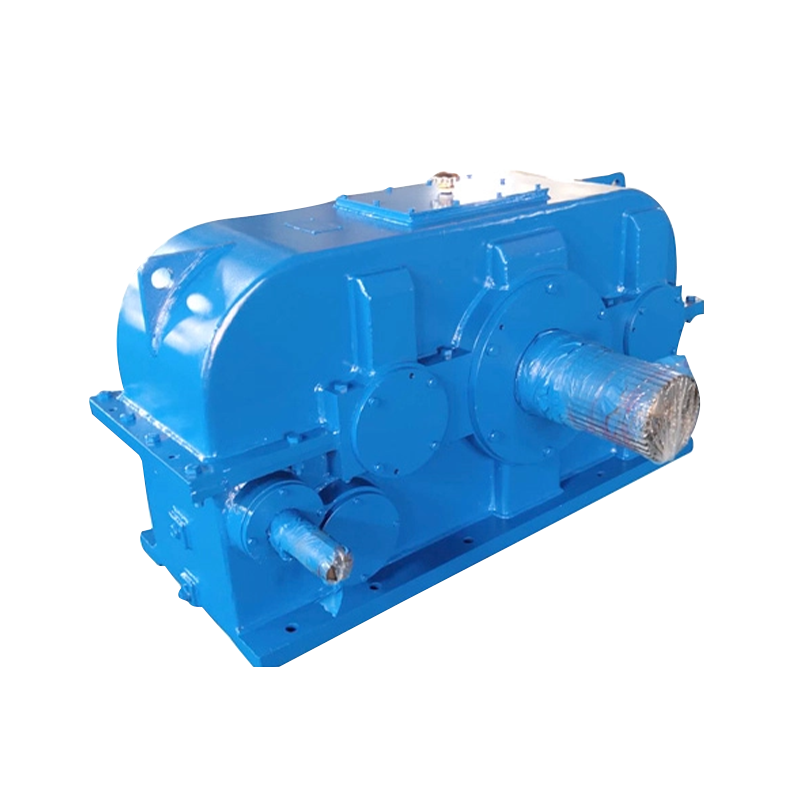
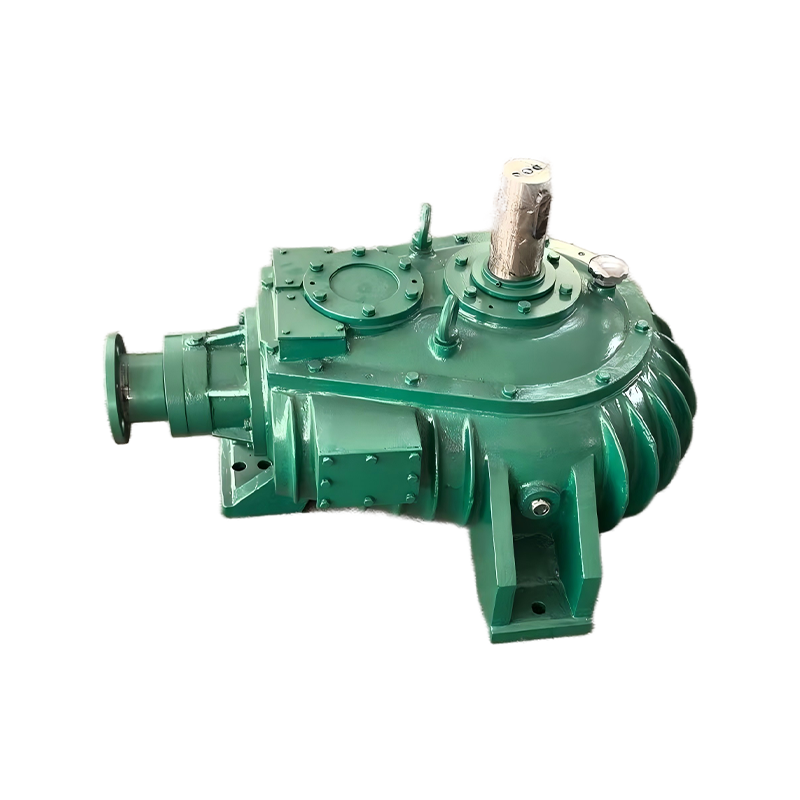
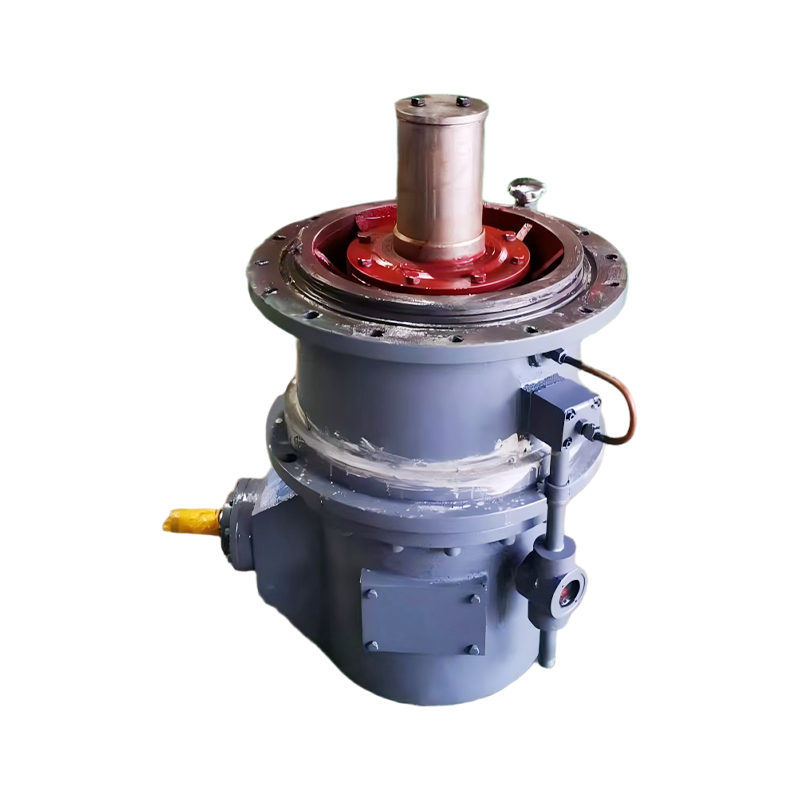
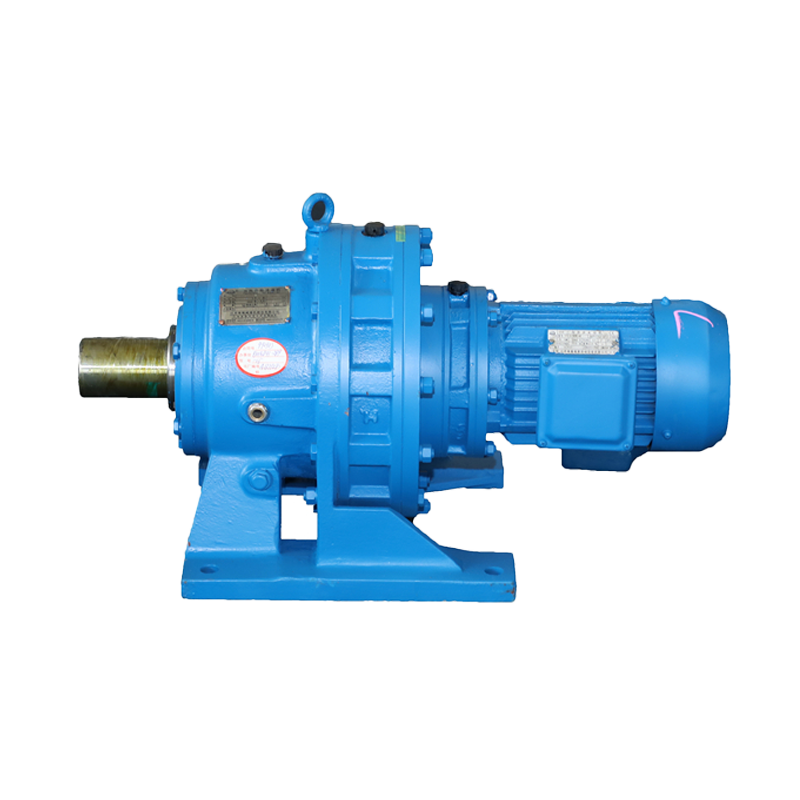
Other Speed Reducers refer to reduction devices that, apart from the common planetary, cylindrical gear, and worm gear reducers, use special transmission principles and structural designs to achieve specific functions. These reducers typically include cycloidal and harmonic reducers, which transmit power and achieve speed reduction through unique motion conversion mechanisms (for example, cycloidal reducers utilise the meshing and eccentric motion of cycloidal pins, whereas harmonic reducers rely on the elastic deformation of flexible gears). Compared with traditional reducers with rigid gear transmission, these types of reducers often exhibit significant differences in high-precision positioning, torque density, and impact resistance. For instance, cycloidal reducers can provide true zero-backlash or extremely low-backlash performance and, due to their rolling contact principle, possess high rigidity and impact resistance, making them suitable for applications that require precise motion control and the ability to withstand high loads. Harmonic reducers are renowned for their compact size and high single-stage reduction ratios, although the design of their flexible elements may be more sensitive to material fatigue life and overload impacts.

Contact us
-
Factory Address
No. 10, Taiyao North Road, Yaowang Town, Taixing City, Jiangsu Province, China
-
Phone
86-139 5115 9007
Copyright © TAIXING REDUCER CO., LTD. 苏ICP备2022046133号 Rights Reserved.
