 English
 中文简体
中文简体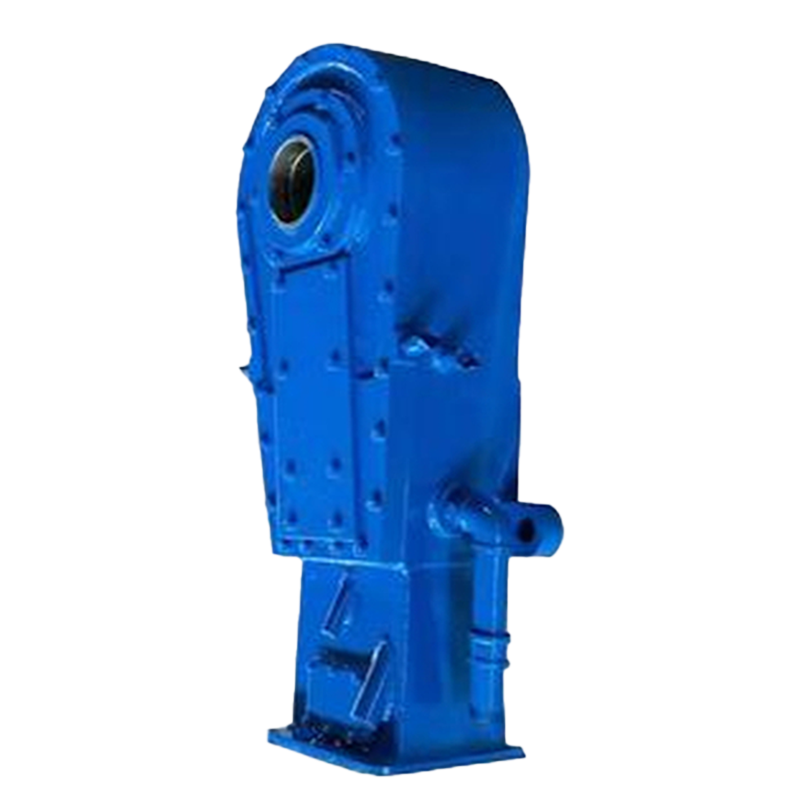
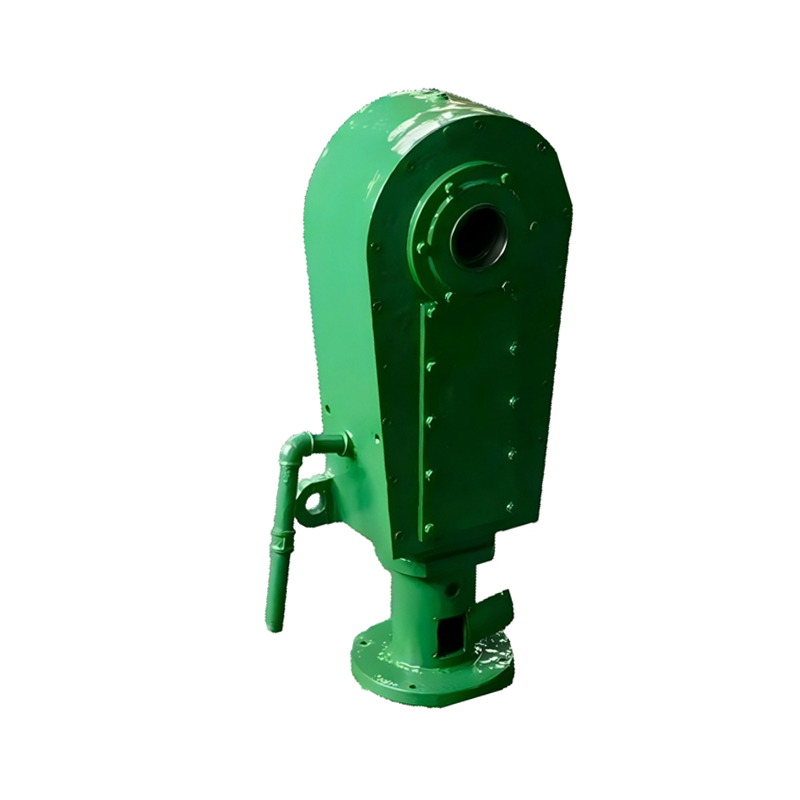
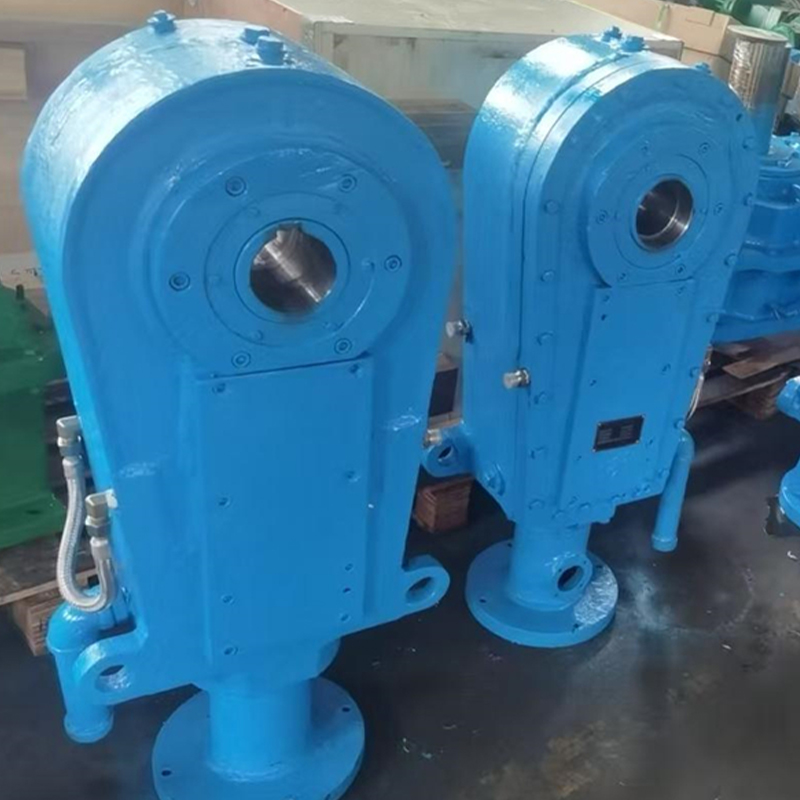
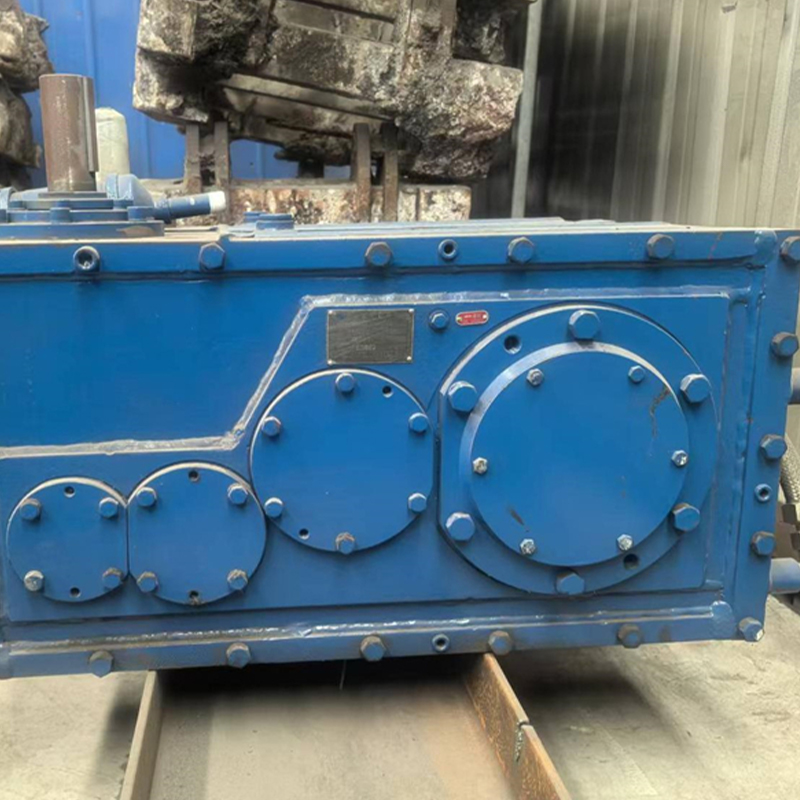
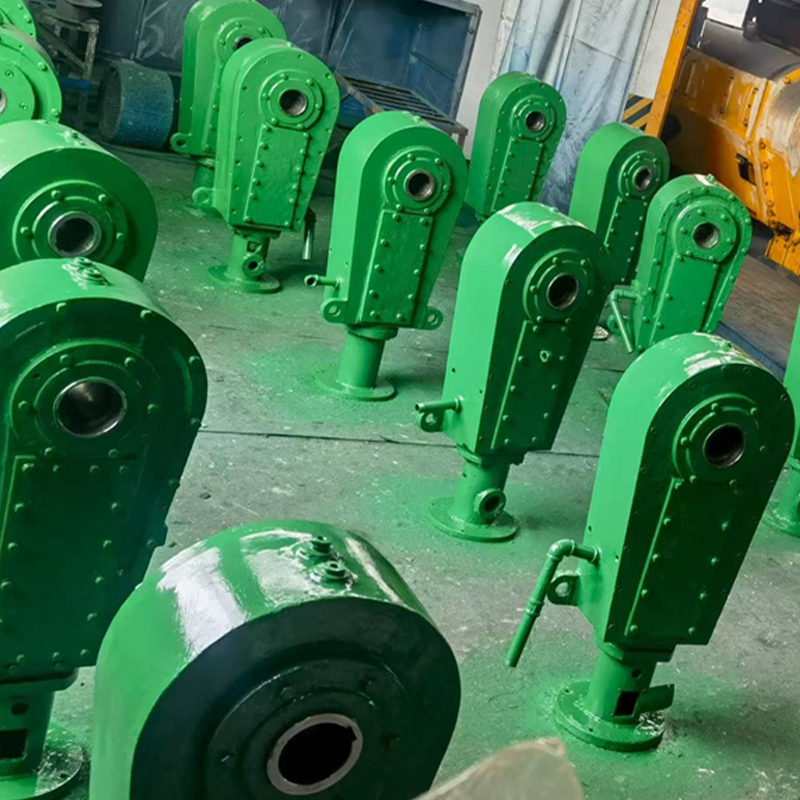
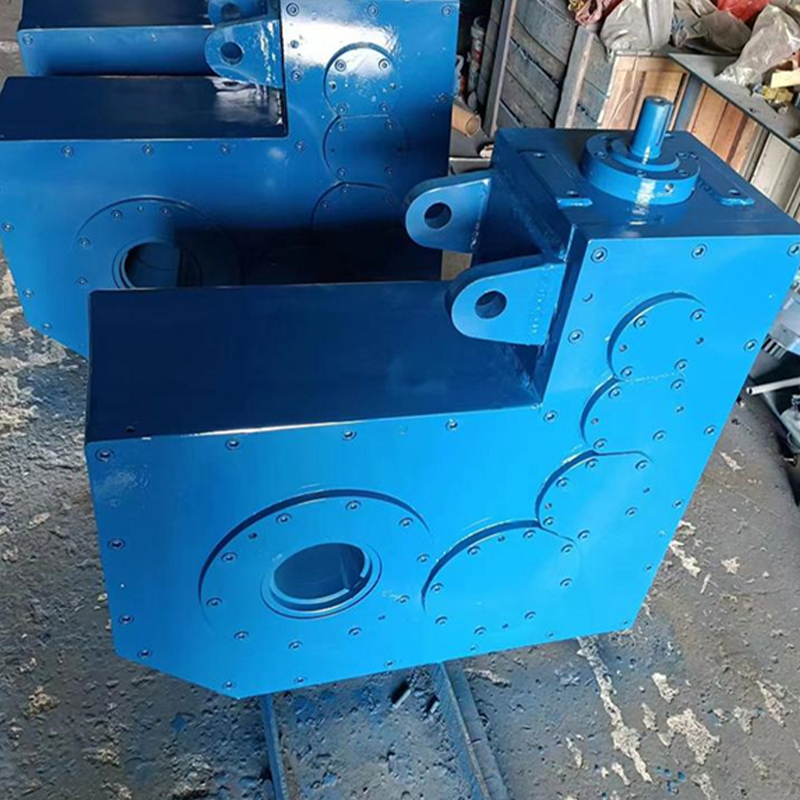
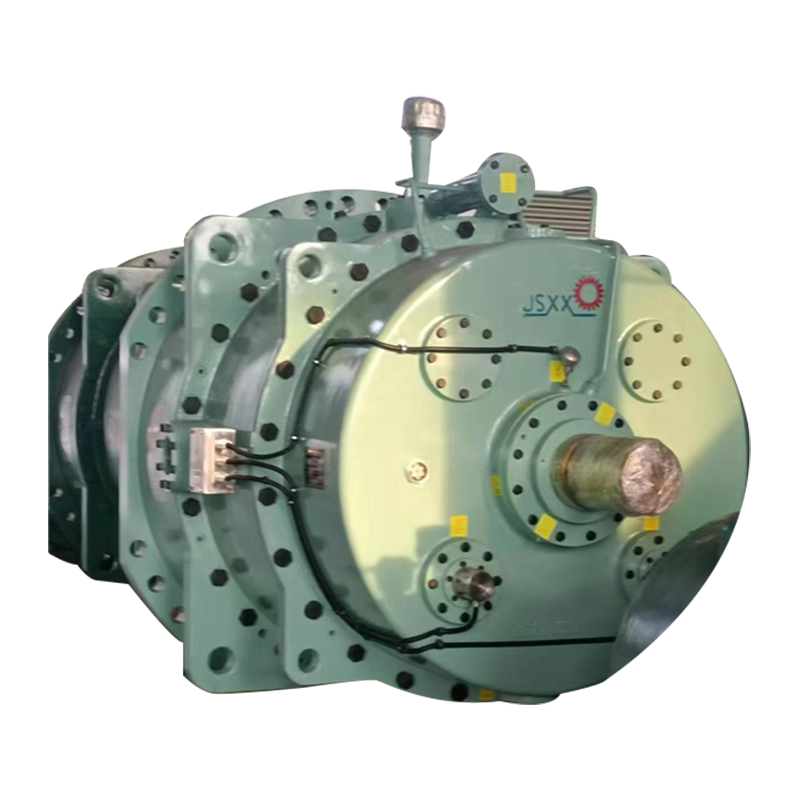
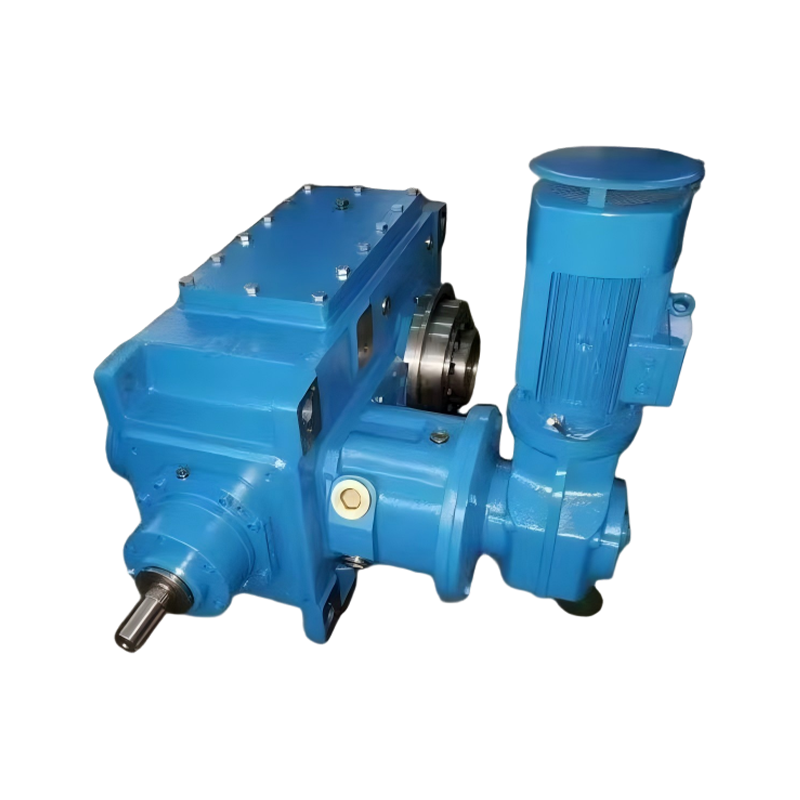
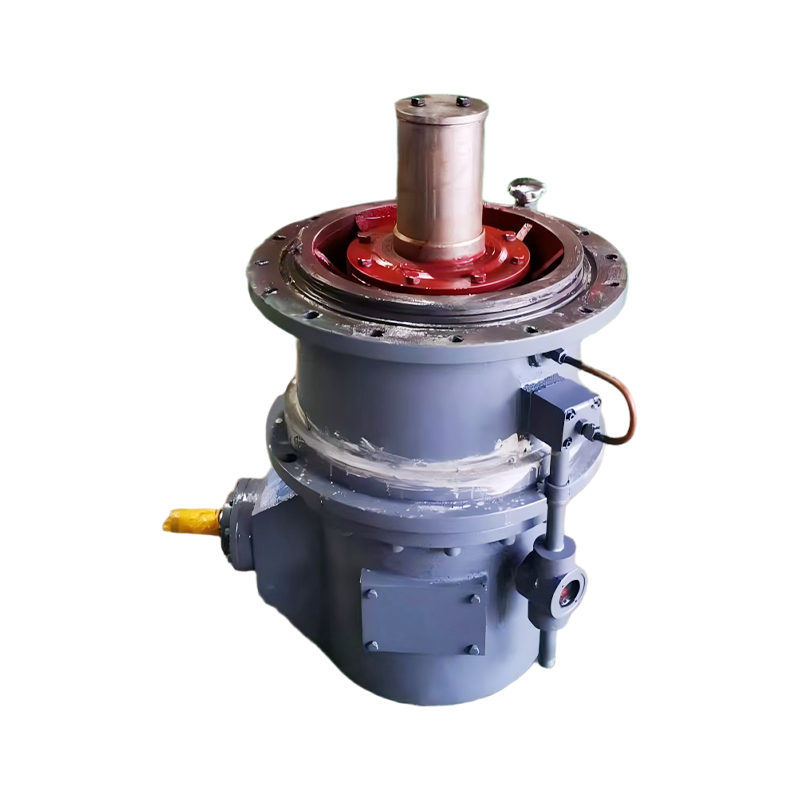
As a China Tension Leveler Reducer Manufacturer and Wholesale Tension Leveler Reducer Factory, Taixing Reducer Co., Ltd. was founded in 1984 and is a specialized manufacturer dedicated to the research, development, and production of industrial gear reducers. The company covers an area of 300,000 m², with fixed assets of RMB 380 million and more than 2,000 employees, including 186 engineering and technical professionals. With decades of manufacturing experience, Taixing has developed strong capabilities in reducer design, production, and application integration, providing reliable transmission solutions for a wide range of industrial sectors.
Advanced Manufacturing
Taixing continuously invests in advanced production equipment and technologies. The company has introduced high-precision machinery from Germany, Russia, and the United States, including large gear grinding machines, gear hobbing machines, vertical lathes, and CNC machining centers. To meet the growing demand for large-scale reducers, the company has also installed equipment such as 3-meter gear grinding machines, 3.2-meter gear hobbing machines, and large-scale boring and milling centers, ensuring high precision and stable product performance.
Product Strength
As a specialized reducer manufacturer, Taixing offers 16 major product series and more than 10,000 specifications, with an annual production capacity of 200,000 units. The company focuses on product innovation and quality control, achieving a 99.8% customer satisfaction rate. Its products are designed to meet high industry standards, ensuring low noise, high efficiency, and reliable operation. Several independently developed reducers, including the TXP, NBD, NCD, and three-ring series, have gained strong recognition from the market.
Quality & Brand Commitment
The company strictly controls product quality and production processes to ensure every reducer meets high reliability and durability standards. The Taixing brand reducer has been widely recognized in China and has been used in numerous key national projects and large industrial enterprises.
Customer-Oriented Philosophy
Through continuous innovation and reliable service, Taixing is committed to delivering high-performance reducer solutions and building long-term partnerships with customers worldwide.
-
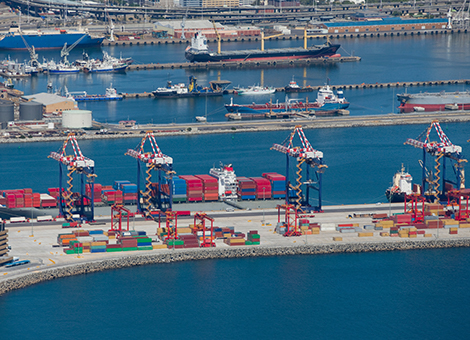
Port
-
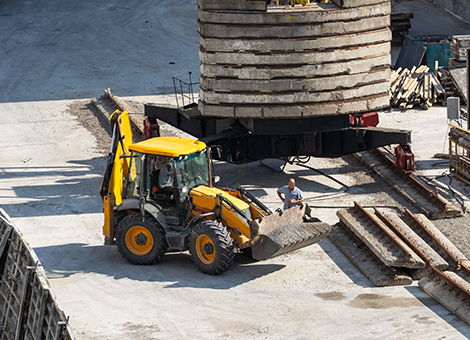
Construction machinery
-
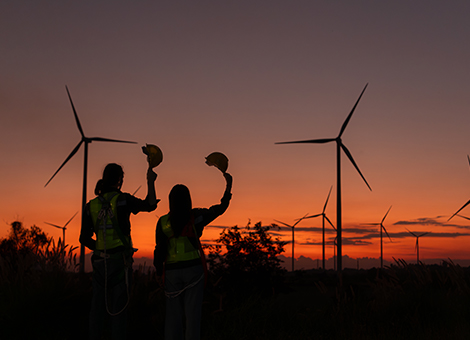
Wind power
-
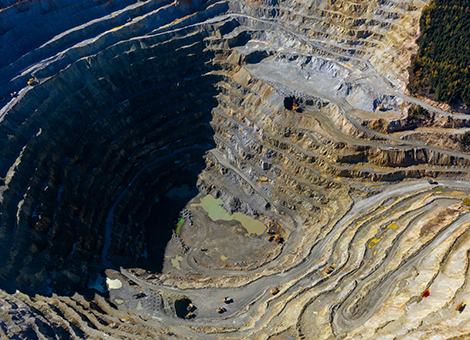
Mine
-
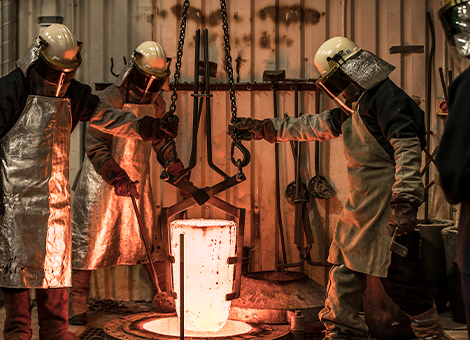
Metallurgy